

Specialized Wolf Appliance Repair in San Francisco
Mon–Sat: 8:00 AM – 7:00 PM
A Wolf vacuum seal drawer that will not pull vacuum usually points at the bag, the sealing surfaces or the drawer closure before a mechanical fault.
Written for Wolf owners
A Wolf vacuum seal drawer that will not build vacuum is most often dealing with a bag, a dirty sealing surface or a drawer that is not fully closed, not a failed pump. Watch what the cycle does and where it stops, then try the same bag type in a clean, fully closed drawer before you assume a fault.
Vacuum sealing in a Wolf drawer is a sequence: the drawer closes, air is drawn out of the chamber, the bag is sealed, and the chamber is vented. Where that sequence stops tells you a great deal, so watch one full attempt and take notes. Does the cycle start at all, or does the control refuse to begin? Does it run for a while and then give up? Does it reach the sealing stage and produce a weak seal on a bag that looked flat? Each of those is a different problem, and “it does not vacuum” covers all three.
Wolf’s VS24 is the vacuum seal drawer model listed on our site. If your drawer carries that number on the rating label, mention it when you call, though the pattern advice here applies to how any chamber-style drawer behaves.
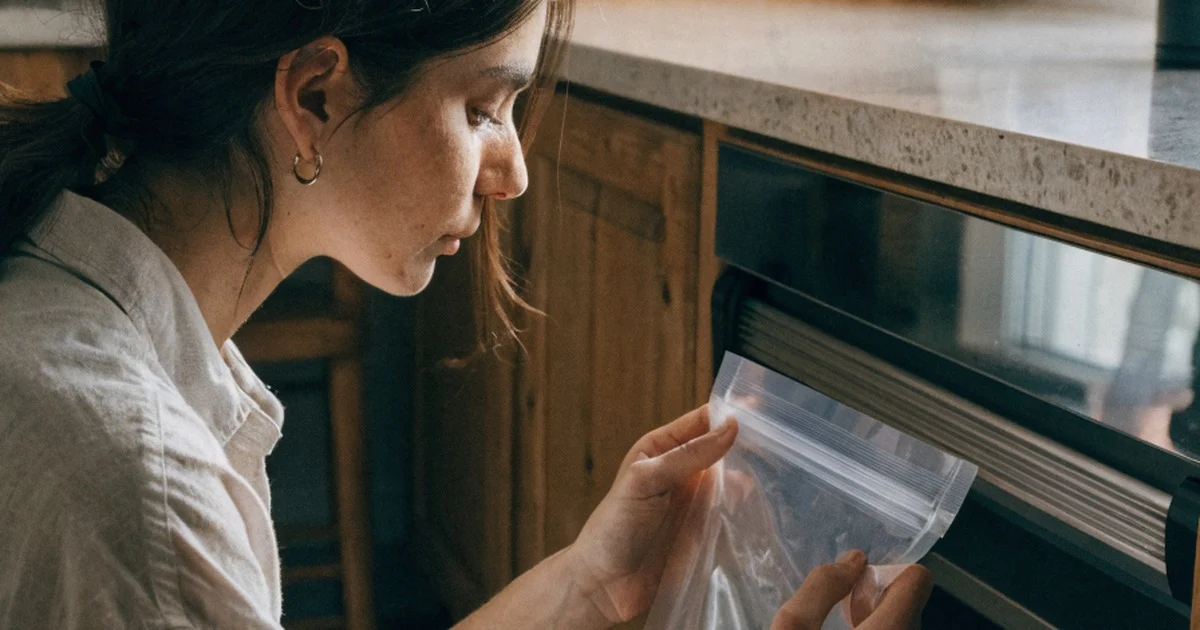
The seal itself is evidence. After a failed attempt, look closely at the bag and at the sealed edge, if one formed.
A single failed bag proves little. Several bags failing in the same way, with different foods, points toward the drawer.
Do not pull the drawer apart, and do not use sharp tools on the gasket or sealing strip. Both are easy to damage.
If a clean gasket, a fresh bag and a fully closed drawer still give a failed cycle, the cause is somewhere you cannot see. It might be a worn or distorted gasket, a leak in the chamber, a vacuum pump that is not performing, a sensor that decides when the pressure is low enough, or a control that is cutting the cycle short. These look the same from outside because the drawer simply does not finish.
The checks also cannot tell you whether a drawer that works only occasionally has a failing part or whether the user is simply sealing something wet at times. That is why the pattern notes matter. A drawer that fails every time, with every bag, behaves very differently from one that fails with soups and succeeds with dry goods.
With the Wolf drawer open, a technician starts with the sealing surfaces and gasket condition and checks that the closure engages as intended. Then comes the chamber integrity test, to see whether it holds vacuum without a bag, followed by checking the pump’s behaviour during the cycle, the controls and the supply to the drawer. The order matters because a worn gasket is a quick fix and a pump or control problem is not, so you do not want to replace the expensive part first.
Our vacuum seal drawer repair page explains how we approach these visits, and the vacuum seal drawers overview lists related symptoms.
Use the bags the manufacturer recommends for the drawer. A bag of a different type can fail to seal or fail to hold, and that looks like a fault in the drawer.
Liquid can reach the sealing area before the bag seals, which leaves a wavy or weak seal. That points toward preparation rather than the drawer.
A damaged gasket is worth reporting but is best left to a technician, who can check that the new one seats evenly and that it was the only cause.
Share a few details and we’ll confirm an appointment. Prefer to talk? Call us and we’ll help right away.