Outdoor Grills
Symptoms, model context, and repair guidance for Wolf outdoor gas grills.

Specialized Wolf Appliance Repair in San Francisco
Mon–Sat: 8:00 AM – 7:00 PM
Outdoor Grill · in-home diagnosis
Wolf outdoor gas grills are built for heavy use, but San Francisco weather is hard on outdoor cooking equipment. Fog, salt air near the water, wind on decks and rooftops, and long idle periods between uses can all change how ignition, burners, and controls behave. Service starts with the complete model number, the fuel type, and a clear description of what changed.
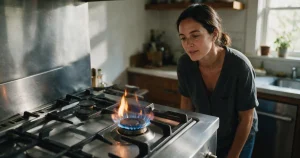
Before a visit, write down which burner or zone is affected, whether the igniter sparks, how the flame looks, and whether the problem appears only on windy days or after the grill has been covered for a while. Note whether the grill runs on natural gas or propane, because the supply side is part of the diagnosis. Propane and natural gas grills are set up for their own fuel, so the fuel type decides which burner and supply configuration the technician expects to find.
One symptom can have more than one cause. Model identity and on-site testing determine which system is responsible. A burner that lights but gives a weak or uneven flame points to a different set of causes than one that never lights, which is why the flame description matters.
Do not disassemble gas valves, regulators, or burner assemblies, and do not bypass any safety device.
Turn the gas off at the supply and stop using the grill if you smell gas, see flame outside the burner area, notice a damaged hose or connector, or see flare-ups that do not settle. Keep the area clear and request service before trying it again.
Let the scheduler know where the grill is installed — deck, rooftop, yard, or patio — and how the technician will reach it. Mention stairs, building rules for roof access, and whether the grill is built into an outdoor kitchen island, because access and installation details affect how the visit is planned.
Yes. The model and serial label helps confirm the grill’s size, fuel type, and burner configuration so diagnosis starts on the right platform.
Yes. Moisture and salt can contribute to corrosion around igniters, burners, and fasteners over time, which is worth mentioning when you request service. Corrosion near a burner port can restrict how gas and air mix, so it is considered as a possible cause of an uneven flame.
No. Turn the burner off, wait for any gas to clear, and request service if it still does not light after a normal attempt.
Symptoms, model context, and repair guidance for Wolf outdoor gas grills.
Wolf built-in oven repair in San Francisco with common symptoms, safe checks, model and error-code guidance, and diagnostic-first service.
Wolf coffee system repair in San Francisco with common symptoms, safe checks, model and error-code guidance, and diagnostic-first service.
Wolf convection steam oven repair in San Francisco with common symptoms, safe checks, model and error-code guidance, and diagnostic-first service.
Wolf dual fuel range repair in San Francisco with common symptoms, safe checks, model and error-code guidance, and diagnostic-first service.
Wolf electric cooktop repair in San Francisco with common symptoms, safe checks, model and error-code guidance, and diagnostic-first service.
Wolf gas cooktop repair in San Francisco with common symptoms, safe checks, model and error-code guidance, and diagnostic-first service.
Wolf gas range repair in San Francisco with common symptoms, safe checks, model and error-code guidance, and diagnostic-first service.
Wolf induction cooktop repair in San Francisco with common symptoms, safe checks, model and error-code guidance, and diagnostic-first service.
Wolf induction range repair in San Francisco with common symptoms, safe checks, model and error-code guidance, and diagnostic-first service.
Wolf microwave repair in San Francisco with common symptoms, safe checks, model and error-code guidance, and diagnostic-first service.
Wolf rangetop repair in San Francisco with common symptoms, safe checks, model and error-code guidance, and diagnostic-first service.
Wolf speed oven repair in San Francisco with common symptoms, safe checks, model and error-code guidance, and diagnostic-first service.
Wolf vacuum seal drawer repair in San Francisco with common symptoms, safe checks, model and error-code guidance, and diagnostic-first service.
Wolf warming drawer repair in San Francisco with common symptoms, safe checks, model and error-code guidance, and diagnostic-first service.
Share a few details and we’ll confirm an appointment. Prefer to talk? Call us and we’ll help right away.